
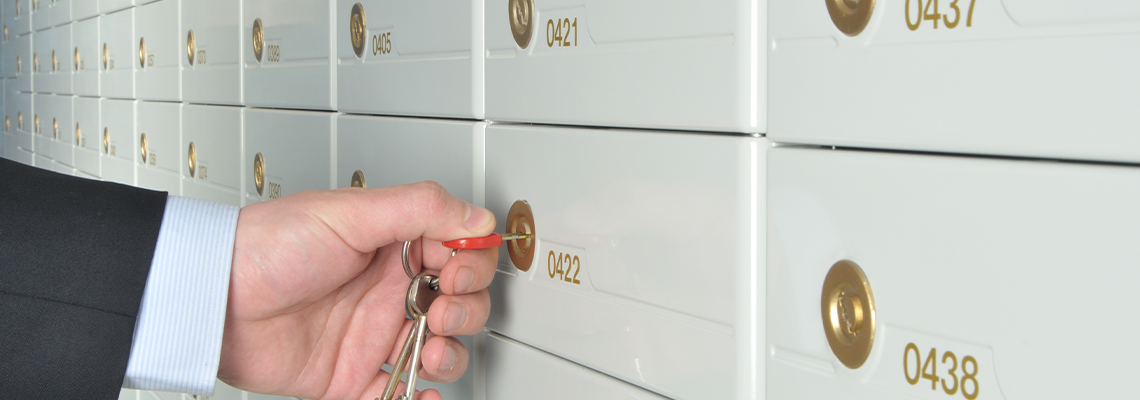
When a loved one passes away, managing their estate can uncover unexpected challenges, such as encountering safe deposit boxes that aren’t mentioned in a will. These forgotten storage spaces often contain valuable items. In these cases, probate litigation can be necessary to determine rightful ownership.
When a safe deposit box isn’t mentioned in a will, you can typically face uncertainty and delays in accessing important assets. Probate litigation provides a structured framework for establishing ownership, enabling you to protect their interests and distribute the assets in accordance with state law.
At Nelson Law Firm, we help clients in Bluffton, Hilton Head Island, Beaufort, and the surrounding areas resolve disputes and claims involving forgotten safe deposit boxes. Contact us today to discuss your situation and determine rightful ownership.
How to Identify the Safe Deposit Box Contents and Ownership
The contents of a safe deposit box can range from financial documents to heirlooms, and understanding what’s inside is key to moving forward with probate litigation. Banks typically maintain records of the box holder, rental agreements, and authorized signers, but these records rarely provide a complete answer on their own.
To identify ownership of the safe deposit box, you and your attorney should gather and review all relevant documentation, including:
Rental agreements or receipts for the safe deposit box
Bank correspondence or statements linked to the box
Personal records such as letters, lists of assets, or notes referencing the box
This documentation helps establish a connection between the deceased and the contents of the box. Sometimes items found in the box can clarify the deceased’s intentions, even if the will does not mention the box directly.
Gather Detailed Evidence
Proving ownership in probate litigation requires detailed documentation. It's recommended to compile tangible evidence linking the items or accounts in the safe deposit box to the deceased. Without solid documentation, banks may refuse access, and heirs can dispute claims. The key types of evidence you should organize include:
Testimonies from living family members or acquaintances who were familiar with the deceased’s financial habits.
Copies of bank communications, payment receipts, or renewal notices for the box rental.
Personal notes, photographs, or letters referencing the box or its contents.
Records of deposits or withdrawals connected to items found in the box.
Even indirect evidence can be persuasive. Consistent behavior, such as frequent deposits or notes indicating stored valuables, can support your case during probate litigation. The courts often consider patterns of behavior alongside formal documentation, and demonstrating consistency can strengthen our client’s position.
By systematically collecting and presenting this evidence, you can build a strong foundation for gaining access to the safe deposit box.
File Probate Litigation to Gain Access
When documentation alone isn’t sufficient to satisfy a bank or resolve disputes, you will need to pursue probate litigation. Filing a petition with the probate court allows you to present evidence that links the safe deposit box to the estate and the rightful beneficiaries. The courts will then evaluate ownership claims based on the documented facts, behavior patterns, and any relevant testimony.
During probate litigation, it’s important to prioritize clarity and organization. Presenting evidence clearly, logically, and chronologically increases the likelihood of a favorable determination. The courts typically examine both direct evidence, such as rental agreements, and indirect evidence, such as patterns of use or personal notes, to reach a fair decision.
How to Resolve Disputes Over Forgotten Boxes
Once probate litigation is underway, the courts will carefully review the evidence and hear from all interested parties. This can include formal hearings, affidavits, and testimonies. The courts often consider several key factors when resolving ownership disputes, including:
Clear documentation linking the box to the deceased
Consistent patterns of behavior regarding the use of the box
Statements from heirs or witnesses about the deceased’s intentions
The presence of valuable assets that require careful administration
Probate litigation can help clarify who should receive the contents, whether it’s cash, securities, or personal items of sentimental or financial value. Once ownership is determined, distribution can proceed under South Carolina intestacy laws. This approach allows the estate to account for every asset, even those that weren't named in the will.
Proactive Steps to Minimize Probate Litigation for Safe Deposit Boxes
Safe deposit boxes often hold significant assets or sentimental items, and failing to document their contents can lead to disputes. While probate litigation can resolve current issues, you and your family should take proactive steps to prevent future conflicts, including:
Maintain clear records of any safe deposit boxes, including rental agreements and their contents.
Keep copies of key documents in multiple secure locations.
Communicate with family members about any unknown accounts or boxes.
Update estate planning documents periodically to reflect new assets.
These measures can help reduce uncertainty, protect the interests of the estate's heirs, and minimize the need for probate litigation. By prioritizing documentation and communication, you and your family can make the estate administration process smoother.
Contact a Skilled Probate Litigation Attorney in South Carolina Today
Safe deposit boxes that aren’t mentioned in a will can cause conflict or confusion among your family. By carefully collecting and presenting evidence during probate litigation, you can establish rightful ownership and resolve disputes over forgotten safe deposit boxes, protect your interests, and help settle your loved one’s estate efficiently.
At Nelson Law Firm, we provide experienced probate litigation services to families in Bluffton, South Carolina, and the surrounding areas of Beaufort County, Jasper County, Hilton Head Island, and Beaufort. Contact us today to schedule a consultation.